For Research Use Only · Biogenesis Research Platform
GHK-Cu.Fifty yearsof signal.
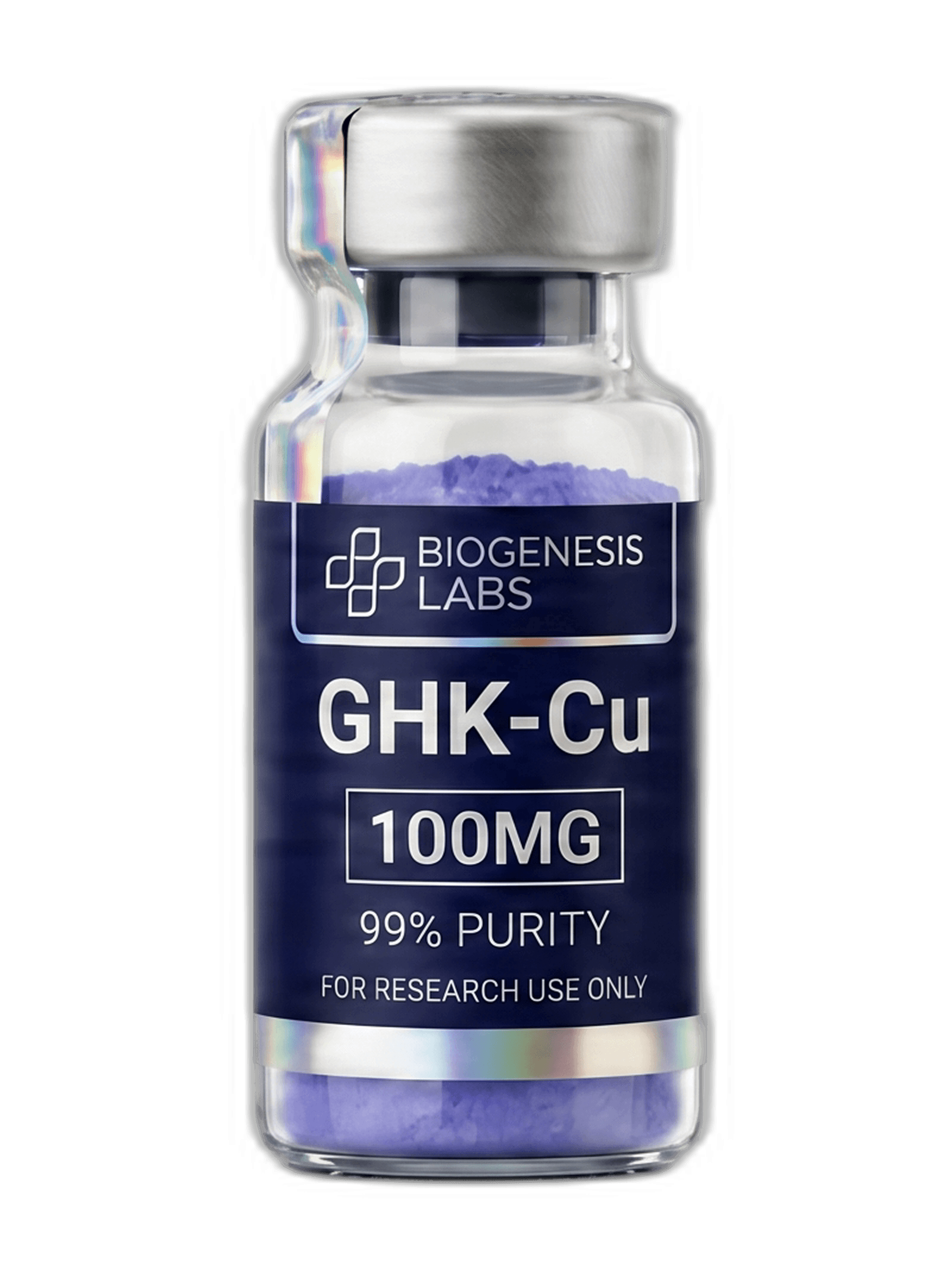
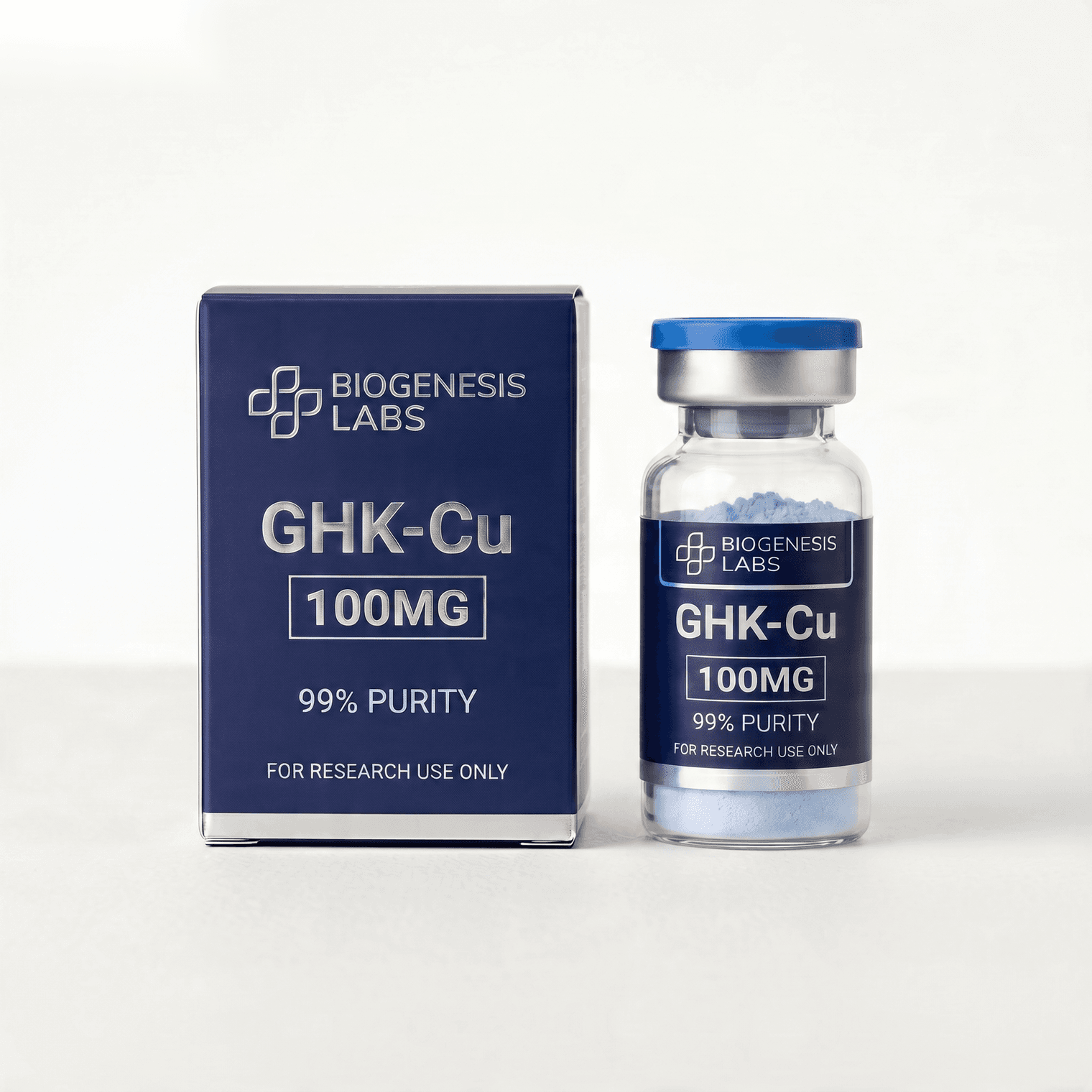
One of the most studied copper tripeptides in the scientific literature. Research grade. 100 mg · ≥ 99 % purity.
The origin
Discovered in 1973.Studied ever since.
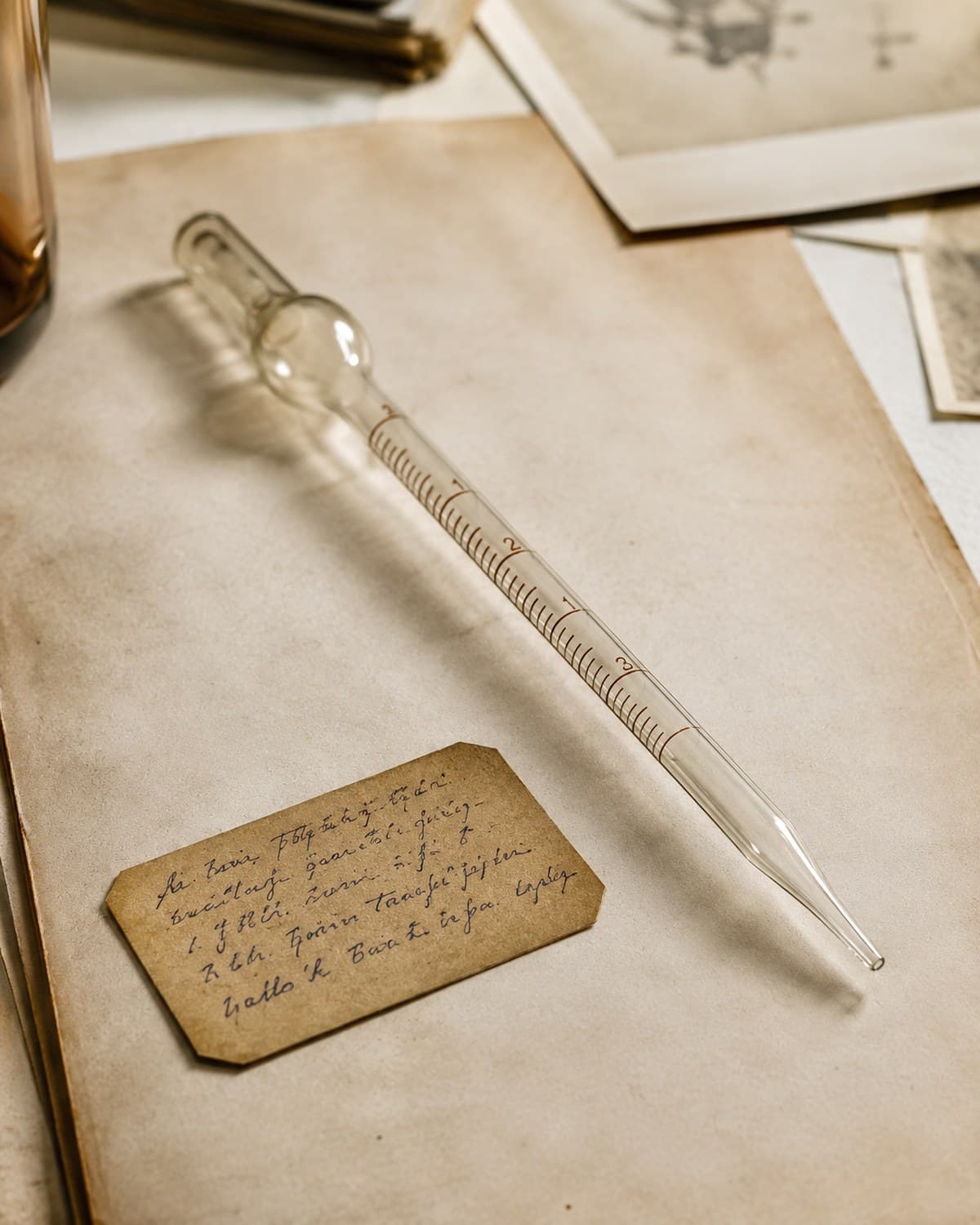
In 1973, Dr. Loren Pickart isolated a copper tripeptide in human plasma with an unexpectedly high affinity for ionized copper. He named it GHK-Cu — Glycyl-L-Histidyl-L-Lysine conjugated with Cu²⁺.
What followed were five decades of research: dermatology, wound healing, oncology, the biology of aging. GHK-Cu became one of the most cited peptides in the cellular-signaling literature. Not through hype. Through consistency of results.
The historical references describe the research context of the molecule. They do not constitute an indication of use or a promise of clinical result.
Research areas
What the literatureexplores.
Collagen and structural proteins
Research describes the involvement of GHK-Cu in the signaling of collagen synthesis and in the regulation of extracellular matrix proteins, including laminin and fibronectin.
Research finding. It does not constitute an indication of use or a promise of result.
Tissue repair and regeneration
Studied in wound-healing and tissue-remodeling models — in vitro and in animal models. The literature describes its study in wound-healing and tissue-remodeling models.
Research finding. It does not constitute an indication of use or a promise of result.
Response to oxidative damage
Publications describe GHK-Cu activity in the context of cellular oxidative stress, including modulation of antioxidant enzymes such as SOD (superoxide dismutase).
Research finding. It does not constitute an indication of use or a promise of result.
Inflammatory response
Investigated in lines of study on the modulation of cytokines and proinflammatory factors. The literature investigates its role as a modulator in models of acute inflammation.
Research finding. It does not constitute an indication of use or a promise of result.
How it acts
A signal.Not an ingredient.
In the literature, GHK-Cu is not described as a building material but as a signal: an instruction that activates processes the organism already has programmed. It binds to cellular receptors and modulates gene expression related to repair and regeneration.
This role as a “repair messenger” is what drove its study across multiple disciplines. The molecule does not supply collagen; it tells the system to produce it.
Signaling
GHK-Cu binds to surface receptors. The intracellular signaling cascade begins.
Gene modulation
The literature reports that it regulates the expression of genes linked to collagen synthesis and antioxidant response.
Endogenous activation
The organism responds with its own mechanisms. The molecule acts as a trigger, not a substitute.
Description of the mechanism according to findings in the scientific literature. It does not constitute an indication of clinical use or a promise of result in humans.

Specifications
Technical sheet.
- Denomination
- Glicil-L-Histidil-L-Lisina · Cu²⁺ (GHK-Cu)
- Presentation
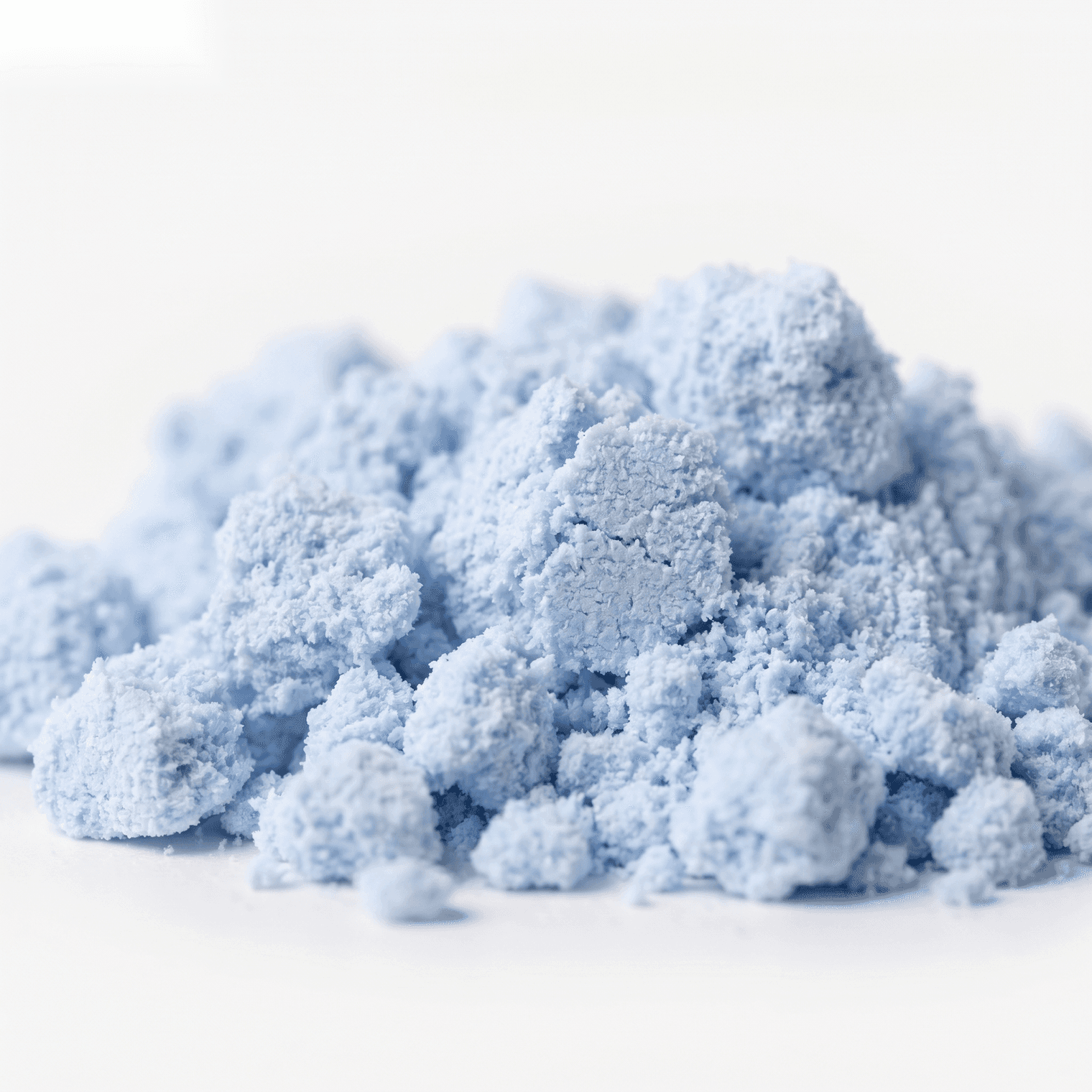
- Lyophilized powder · pharmaceutical-grade glass vial
- Quantity
- 100 mg per vial
- Purity
- ≥ 99 % (laboratory synthesis)
- CAS Number
- 49557-75-7
- Authenticity
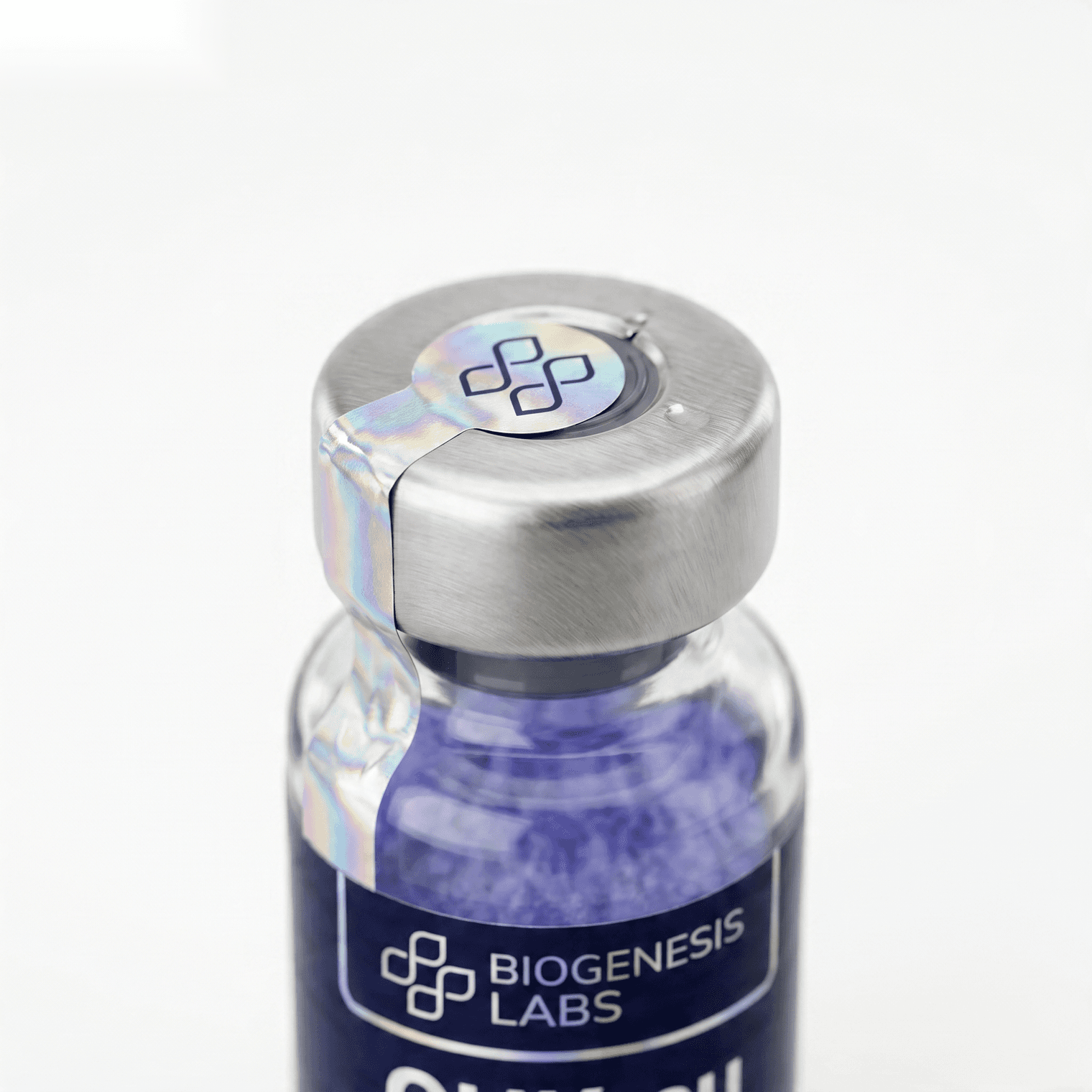
- Holographic seal per batch
- Closure
- Aluminum crimp
- Storage
- Refrigerated · protected from light and humidity
- Classification
- For Research Use Only
- Regulatory
- Not evaluated by any regulatory agency
There are no external certifications that cannot be verified. Nothing fabricated.
The product.
Questions
The essentials.
It is a copper tripeptide — Glycyl-L-Histidyl-L-Lysine conjugated with Cu²⁺ — that the organism produces naturally. It was isolated by Dr. Loren Pickart in 1973 and has accumulated more than fifty years of publications in dermatology, wound healing, and the biology of aging. It is one of the most documented endogenous peptides in the scientific literature.
The product is intended exclusively for research and laboratory applications. It is not suitable for human consumption, has no therapeutic or diagnostic indication, and has not been evaluated by any regulatory agency as a medicine or supplement.
Every vial comes from laboratory synthesis with purity ≥ 99 %. The vials include a holographic authenticity seal and an aluminum crimp. There are no third-party certifications we cannot verify — the declared purity corresponds to the batch standard.
We work with professional buyers and centers under a B2B ordering model. We coordinate available stock, professional pricing, and volume terms through a direct channel — the contact form or email. We do not operate as retail open to the general public.
Refrigerated at 2–8 °C, protected from light and humidity. As a lyophilized powder and under suitable conditions, the product maintains its stability. Do not freeze unless specifically indicated by the manufacturer.
The scientific literature includes in vitro work, animal models, and some human studies — in different contexts and with different conditions of use. Biogenesis presents those findings as research context. They do not imply regulatory approval or predict results in any specific use.
Biogenesis Research Platform
Professionalsupply.
GHK-Cu · 100 mg · ≥ 99 % purity. B2B ordering for professional buyers and centers. Stock confirmed through a direct channel.
Product intended exclusively for research and laboratory use. Not suitable for human consumption or for diagnostic or therapeutic use. Not evaluated by any regulatory agency. Statements describe research findings and do not constitute indications of use.