What BPC-157 actually is
BPC-157 (Body Protection Compound 157) is a synthetic 15-amino-acid pentadecapeptide conceptually derived from a partial sequence of a gastric protective protein described in human gastric juice. The nuance matters: the molecule studied in the lab is chemically synthesized rather than isolated from human tissue, and the 'derivation' is rational design from a larger parent protein whose full physiological role is still debated.
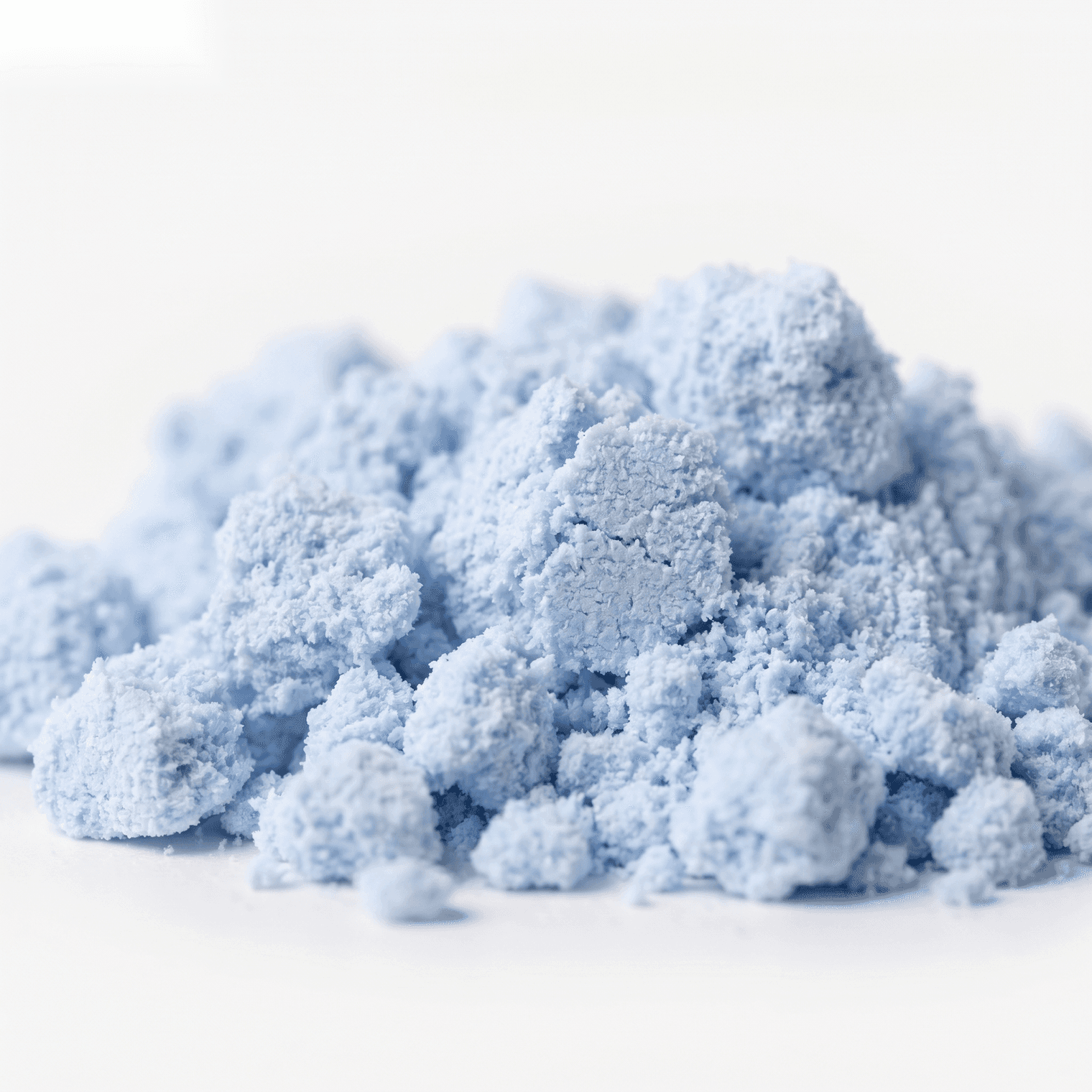
Structurally it lacks disulfide bridges and contains no non-canonical residues, which makes it cheap to produce by solid-phase synthesis. That structural simplicity is part of why it has become so popular as a research tool: inexpensive, stable as a lyophilized powder, and reportedly resistant to gastric juice for over 24 hours in early characterizations, which opened the door to oral-administration studies in rodents.
To date there is no canonical receptor identified for BPC-157. This is a technically important point: every proposed mechanism in the literature is, strictly speaking, a functional hypothesis inferred from downstream changes (gene expression, biochemical markers, tissue phenotype), not from a characterized ligand-receptor interaction.
Proposed mechanisms: NO, angiogenesis, growth factors
Three mechanistic axes account for most of the literature. The first is modulation of the nitric oxide (NO) system. Studies in isolated vascular preparations have shown that BPC-157 can activate the Src-Caveolin-1-eNOS pathway and modulate vasomotor tone; other work shows it interacting with the effects of L-NAME and L-arginine in injury models, suggesting it behaves as a bidirectional NO modulator rather than a pure donor or inhibitor.
The second axis is angiogenesis. In tendon-injury and intestinal-fistula models, early neovessel formation with better-organized granulation tissue is consistently reported. Recent reviews propose that BPC-157 preserves the protective functions of NO and angiogenesis while attenuating their cytotoxic edges, which is an attractive framing but still largely narrative: mechanistic studies with specific knockouts that would prove it are missing.
The third axis is growth-factor receptor regulation. Chang and colleagues reported in tendon fibroblasts from male Sprague-Dawley rats that BPC-157 increased growth hormone receptor (GHR) expression in a dose- and time-dependent manner at both mRNA and protein level. Other papers describe effects on VEGFR2 and FGFR. The emerging pattern is that of a peptide that sensitizes tissue to endogenous trophic factors rather than a trophic factor itself.
Tendon and musculoskeletal injury models
The most studied domain is tendon healing. In the classical rat Achilles tendon transection model, with intraperitoneal dosing at 10 µg, 10 ng or 10 pg per kg body weight, BPC-157 consistently improves the Achilles Functional Index, biomechanical load to failure, Young's modulus, and microscopic collagen-I organization at 14 and 21 days. It is a reproducible effect across multiple publications and, crucially, across a very wide dose range where response does not scale linearly.
Quadriceps detachment and myotendinous junction models show similar patterns: fewer granulocytes in the acute phase, more fibroblasts and reticulin in the proliferative phase, and macroscopic reapproximation of the defect. A systematic review published in 2024 (PubMed 40756949) identified 36 studies in orthopaedic sports medicine, 35 preclinical and only 1 clinical, a ratio that pretty much summarizes the state of the field.
In bone, work on segmental defects in rabbit and rat fractures reports more organized callus and accelerated consolidation. The signal is coherent with the GHR upregulation described in tendon, but protocols vary so much in route, dose and species that comparing effect magnitudes across studies is problematic.
The gastrointestinal tract: the foundational domain
BPC-157 was born in the context of gastrointestinal cytoprotection research, and that is where its preclinical evidence is densest. Models of ileoileal anastomosis, colocutaneous fistula, cysteamine-induced ulcers, colitis and short bowel syndrome in rat all show reduced early edema, lower granulocyte infiltrate, and accelerated epithelialization and collagen formation. The clinical development program under codes PL-10, PLD-116 and PL14736 (Pliva, Croatia) reached early phases for inflammatory bowel disease, but public information on full outcomes remains limited.
The invoked mechanism in these models is again NO-system modulation: co-administration with L-NAME tends to blunt BPC-157 effects, while co-administration with L-arginine tends to potentiate them. That is a consistent observation that gives weight to the vascular-cicatricial hypothesis, though it still falls short of proving the full causal chain.
Limitations and why clinical translation is stuck
Three limitations any serious investigator should keep in mind. The first is pharmacokinetics: studies in rat and dog report a plasma elimination half-life after intravenous administration of around 15 minutes, with intramuscular bioavailability of 14-19% in rat and 45-51% in beagle. There is no published human PK in indexed journals. A molecule with this kinetics and no human tissue-distribution data is hard to dose rationally.
The second is literature bias. A very high share of papers comes from one principal research group, which does not invalidate the findings but does amplify the importance of independent replications, still a minority. The 2024 systematic review states it explicitly: the evidence base is 35-to-1 preclinical vs. clinical.
The third is regulatory. The FDA has issued positions excluding BPC-157 from the bulk drug substances eligible for compounding lists (category 2), and WADA includes it on its prohibited list under S0 (non-approved substances). This does not affect its validity as a research object in vitro or in animal models, but it does clearly define that any use outside that context is outside the current regulatory framework.
What matters for 2026 research
If you are designing experiments with BPC-157 in 2026, two questions are more useful than adding yet another healing model. First: what is the actual molecular target? Until a characterized receptor or interaction complex appears, the mechanisms will remain phenomenological descriptions. Affinity-proteomics and CRISPR-screen approaches would be the logical path.
Second: what dose-response is robust? The apparent efficacy across roughly six orders of magnitude (from pg to µg per kg in rat) is biologically unusual and deserves tighter methodological scrutiny, including quality control of every peptide lot by HPLC (high-performance liquid chromatography) and mass spectrometry. Closing those two questions would do far more for the field than another tendon model.
Key takeaways
- BPC-157 has consistent preclinical evidence for tendon, gut and bone healing in animal models, but formal clinical translation remains stalled (35 preclinical vs. 1 clinical study in the 2024 systematic review).
- The three proposed mechanisms — NO-system modulation, angiogenesis, and upregulation of growth-factor receptors such as GHR — are functional inferences: no canonical receptor has been characterized.
- Short plasma half-life (~15 min IV in rat) and limited intramuscular bioavailability complicate the design of rational protocols; no human PK is published.
- Single-group literature bias and the regulatory positions of FDA and WADA are structural factors any serious research program should be aware of.
- For 2026, the most productive questions are molecular-target identification and rigorous dose-response characterization, not more healing models.
Sources consulted
- Emerging Use of BPC-157 in Orthopaedic Sports Medicine: A Systematic Review (PubMed 2024)
- From Regeneration to Analgesia: The Role of BPC-157 in Tissue Repair and Pain Management (PMC)
- Pharmacokinetics, distribution, metabolism, and excretion of BPC-157 in rats and dogs (Frontiers in Pharmacology / PMC)
- Pentadecapeptide BPC 157 Enhances the Growth Hormone Receptor Expression in Tendon Fibroblasts (PMC)
- BPC-157 as an Investigational Peptide Therapeutic: Biopharmaceutical Challenges (MDPI Pharmaceutics)
- PubMed search: BPC-157 preclinical
This article describes findings published in the scientific literature. The products referenced are EXCLUSIVELY for scientific and laboratory research. They do not constitute a medical recommendation or therapeutic claim.